Monetize Rooftop Space: How Commercial Building Owners Are Banking $500K+ Upfront

Your rooftop is sitting idle. Meanwhile, commercial property owners across the country are converting that same unused space into serious income: some securing upfront payments exceeding half a million dollars.
If you own a warehouse, distribution center, big-box retail space, or any commercial building with substantial flat rooftop area, you're sitting on untapped revenue potential. The rooftop solar lease market has matured, and the deal structures have become significantly more attractive for property owners in 2026.
What Does "Monetizing Rooftop Space" Actually Mean?
Rooftop monetization through solar installations means leasing your unused roof space to solar developers or investors who install, own, and operate solar panel systems on your building. You receive lease payments: either as ongoing annual income or as a substantial upfront lump sum: while someone else handles everything from permitting to maintenance.
The key advantage? Zero operational burden on your end.
You don't purchase equipment. You don't manage contractors. You don't worry about system performance or repairs. A solar developer or institutional investor takes on all capital expenditure, risk, and operational responsibility for 20-30 years while you collect lease payments.
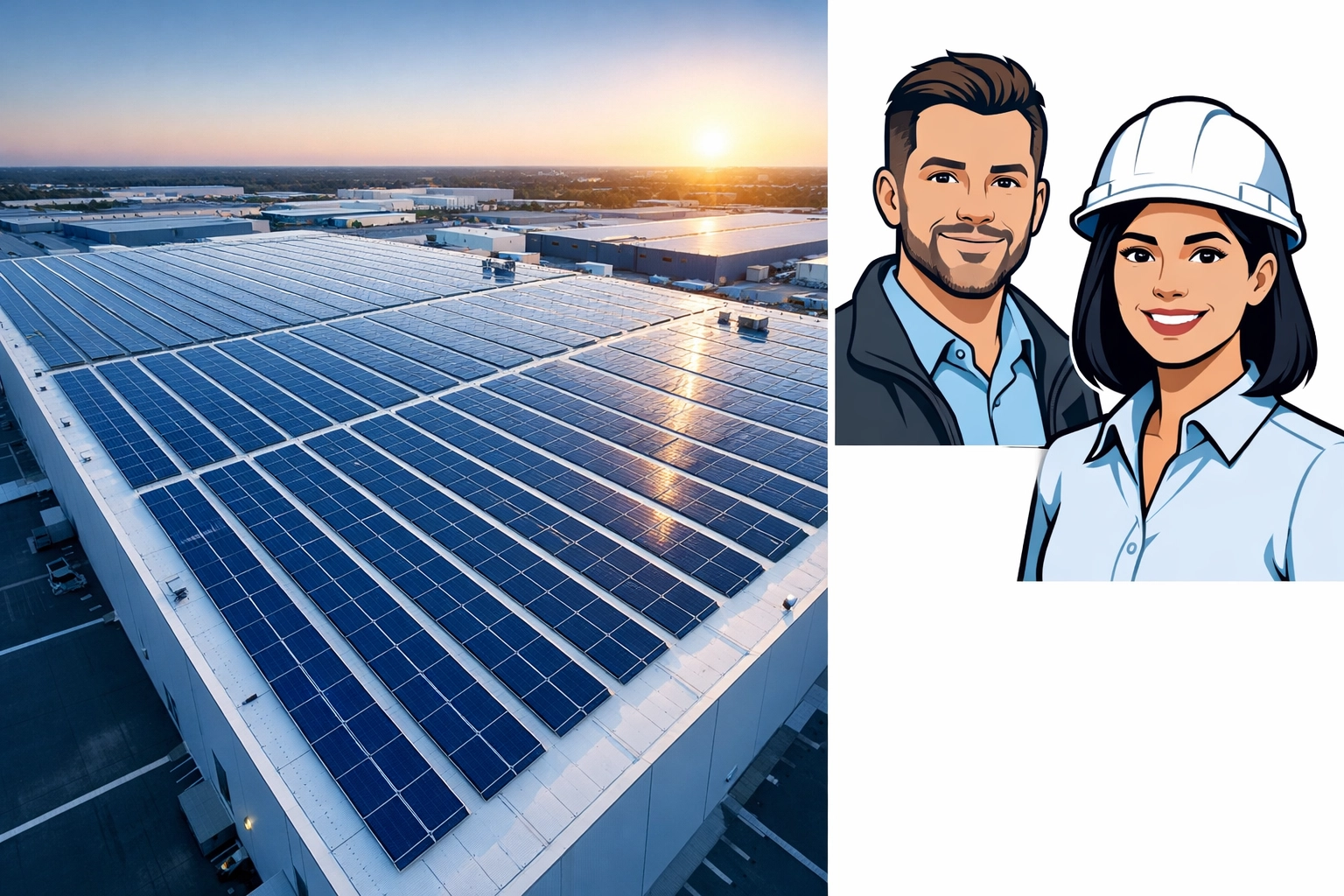
The Real Numbers: What Commercial Property Owners Are Actually Making
Commercial rooftop solar lease rates vary based on several factors, but the payments are substantial enough to meaningfully impact your property's net operating income (NOI).
Annual lease payment structures typically range from $10,000 to $50,000+ per year depending on:
Rooftop square footage (larger roofs command higher payments)
Geographic location and local solar incentives
Roof condition and remaining useful life
Utility electricity rates in your market
Your property's solar generation potential
Upfront lump-sum payments have become increasingly popular in recent years. These deals allow property owners to receive a single substantial payment at lease signing: potentially $500,000 or more for large commercial properties: in exchange for a long-term lease agreement.
Think about what that means: you convert your idle rooftop into immediate liquidity without selling your property or taking on debt.
How Property Owners Are Structuring These Deals
The rooftop solar lease market offers several monetization pathways. Understanding your options helps you maximize value based on your financial goals.
Traditional Rooftop Lease
The straightforward approach: you lease roof space to a creditworthy solar developer for annual rental income. These agreements typically include:
20-30 year lease terms with built-in escalators (annual payment increases of 2-3%)
Minimal landlord responsibilities: the developer handles installation, maintenance, insurance, and removal at lease end
Steady income stream that increases your property's NOI and potentially enhances resale value
This model works exceptionally well for institutional owners and REITs seeking stable, long-term income without active management.
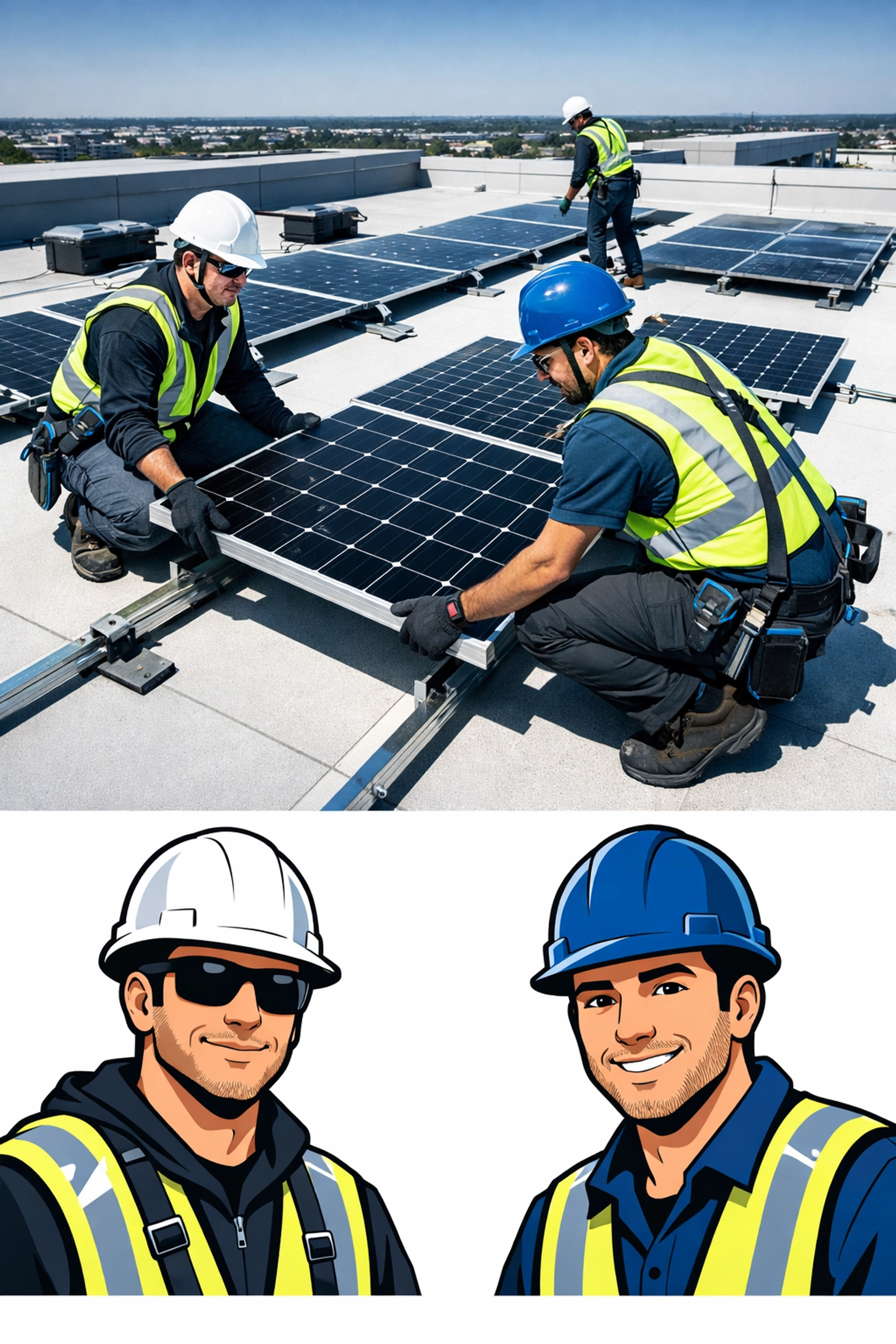
Upfront Payment Structure
Instead of waiting decades for cumulative lease payments, some property owners negotiate substantial signing bonuses or prepaid lease arrangements. This converts future income into immediate capital you can deploy elsewhere.
Why would a developer or investor agree to this? They're essentially purchasing the long-term income stream at a discount: securing their position on your rooftop while you receive liquidity now.
For commercial building owners planning major renovations, debt reduction, or portfolio expansion, this structure provides capital without traditional financing.
Revenue-Sharing Models
In select markets, property owners negotiate percentage-based payments tied to the solar system's actual energy production or revenue. This approach can yield higher payments in strong solar markets but introduces some income variability.
Most owners prefer fixed lease payments for predictability, but revenue-sharing structures make sense when solar production potential is exceptionally high.
Why Commercial Rooftop Solar Leases Make Sense Now
The market conditions in 2026 have aligned to make rooftop monetization more attractive than ever before.
Institutional capital has flooded into renewable energy. Investment funds, insurance companies, and REITs are actively seeking stable, long-term assets: and rooftop solar installations backed by creditworthy property owners fit perfectly.
Solar economics have improved dramatically. Panel costs have dropped while efficiency has increased, meaning developers can afford more attractive lease rates while still achieving their return targets.
Corporate sustainability commitments are driving demand. Major retailers, logistics companies, and commercial tenants face pressure to reduce carbon footprints. Properties with solar installations become more attractive to these tenants: potentially commanding premium rents.
Utility electricity rates continue rising in most markets. This makes solar energy more economically competitive and increases the value of rooftop space capable of generating clean power.
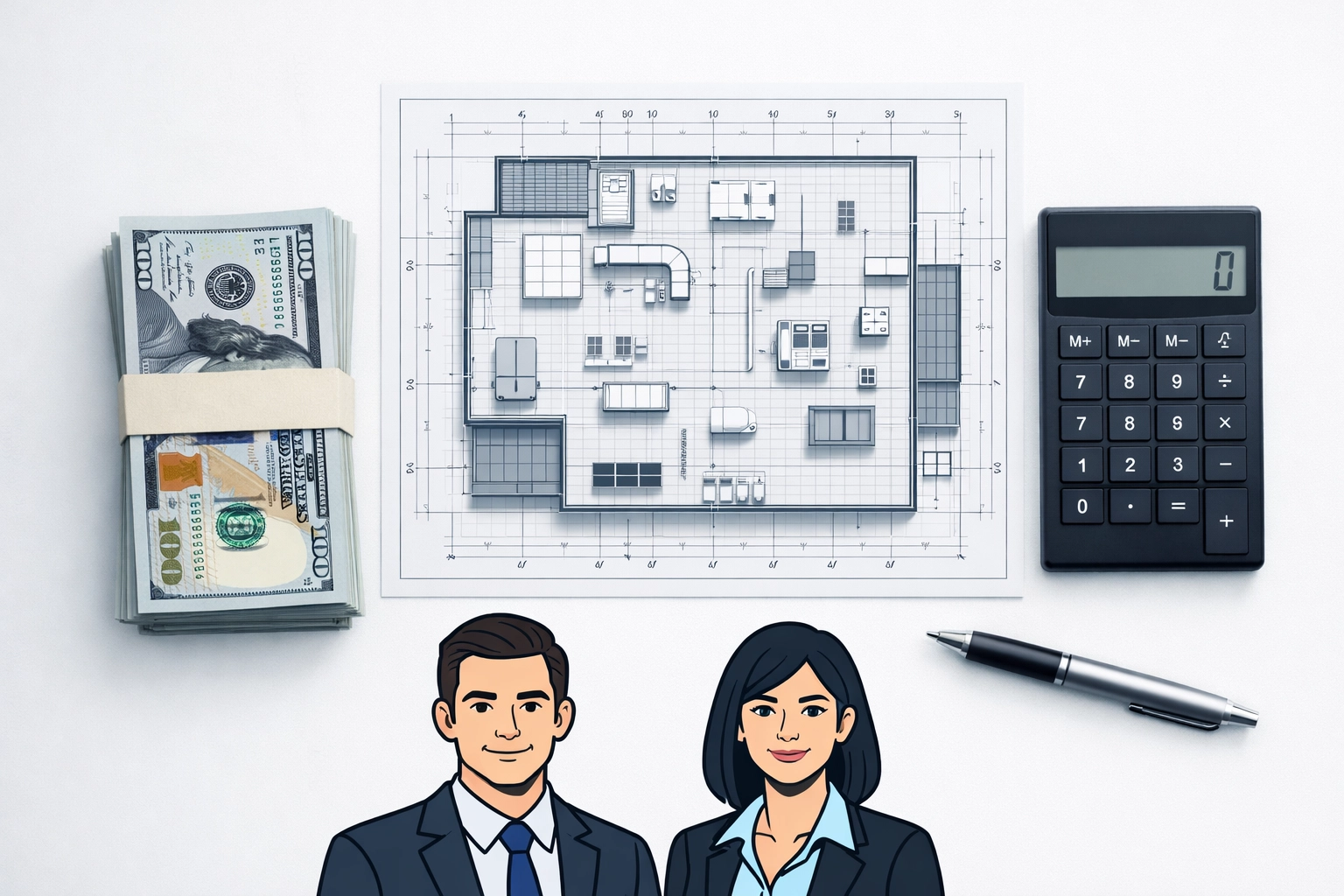
What Makes a Rooftop Valuable for Solar Development?
Not all commercial rooftops command the same lease rates. Understanding what developers look for helps you assess your property's potential.
High-value rooftop characteristics:
Flat or low-slope roof design (easier and less expensive to install)
100,000+ square feet of usable space (economy of scale reduces per-watt installation costs)
Structurally sound with 20+ years of remaining useful life (avoids costly roof replacement during lease term)
Minimal rooftop equipment obstruction (HVAC units, vents, etc. reduce usable space)
Strong utility interconnection potential (proximity to transmission infrastructure)
Located in states with favorable solar policies (tax incentives, renewable energy credits, net metering)
Even if your property doesn't check every box, it may still qualify for attractive lease rates. The only way to know for certain is to have qualified solar developers evaluate your specific building.
How Equitas Collective Simplifies the Process
Here's the reality: navigating rooftop solar lease opportunities on your own means fielding calls from multiple developers, comparing complex proposals with different assumptions, and negotiating terms without clear market benchmarks.
We handle the complexity.
The Equitas Collective specializes in connecting commercial property owners with qualified institutional investors and developers seeking rooftop solar lease opportunities. We manage the entire process: from initial property evaluation to lease negotiation and closing.
Our approach:
Property assessment to determine your rooftop's solar generation potential and market value
Developer matching with vetted partners offering competitive lease terms
Proposal analysis comparing upfront payments versus annual income structures
Lease negotiation ensuring favorable terms and protecting your interests
Transaction coordination handling documentation, due diligence, and closing
You focus on running your business. We focus on maximizing the value of your underutilized rooftop space.
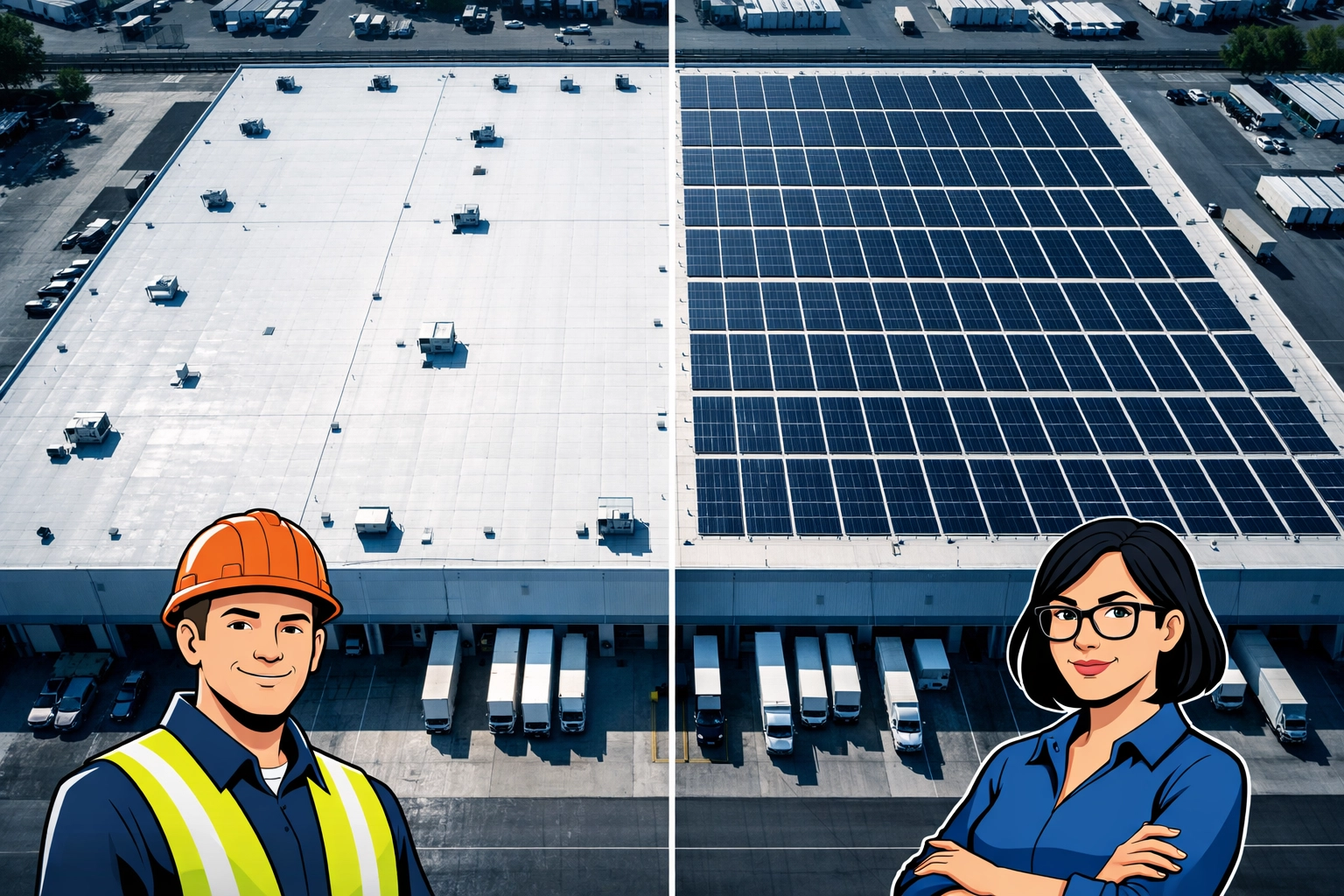
Key Considerations Before Signing
While rooftop solar leases offer substantial benefits, approach any long-term agreement thoughtfully.
Roof warranty implications: Verify how solar installation affects existing roof warranties. Most developers work with roofing contractors to maintain coverage, but confirm this explicitly in your lease agreement.
Future roof replacement: Ensure the lease clearly addresses responsibility for roof repairs and replacement during the lease term. Well-structured agreements protect both parties.
Property sale provisions: If you plan to sell your building, understand how the solar lease transfers to new ownership. Most leases are fully assignable, which can actually enhance property value.
Insurance requirements: Confirm the developer carries comprehensive liability and property damage coverage. This should be standard, but verify the coverage amounts.
System removal at lease end: The lease should clearly state the developer's responsibility to remove all equipment and restore the roof at no cost to you at lease expiration.
Is Your Rooftop Worth $500K or More?
The potential for upfront payments exceeding half a million dollars isn't hyperbole: it's happening for large commercial properties in strong solar markets with ideal rooftop characteristics.
Whether you're better served by a lump-sum payment or structured annual income depends on your financial goals, property plans, and tax situation. Both structures offer compelling advantages for commercial real estate owners looking to monetize rooftop space that's currently generating zero revenue.
Your rooftop is real estate you already own. The question isn't whether to monetize it: it's how to structure the deal that maximizes value for your specific situation.
Ready to explore what your commercial rooftop is actually worth? The Equitas Collective connects property owners with qualified partners offering competitive solar lease rates and upfront payment options. We handle the complexity so you can focus on capturing value from space that's sitting idle today.
Comments